
What is autolyse?
Autolyse is a resting period after flour and water are initially mixed in a bowl, allowing the flour to fully hydrate and the gluten to begin developing naturally. This reduces the amount of kneading needed and results in stronger gluten structure, better dough extensibility (ability to stretch without tearing), and improved bread rise (also referred to as “oven spring”).
Because less kneading is required, autolyse can also help minimize oxidation, or the introduction of oxygen into the dough. Excessive oxidation can diminish some of the natural flavors of the flour, so a gentler mixing process helps preserve more of the bread’s flavor.
How to autolyse?
After mixing the flour and water together in a bowl, cover the dough and let it rest for 30 to 60 minutes. That’s it! I prefer using shower caps to cover my bowls because they’re much quicker than unrolling plastic wrap, and the elastic provides a nice, even seal.
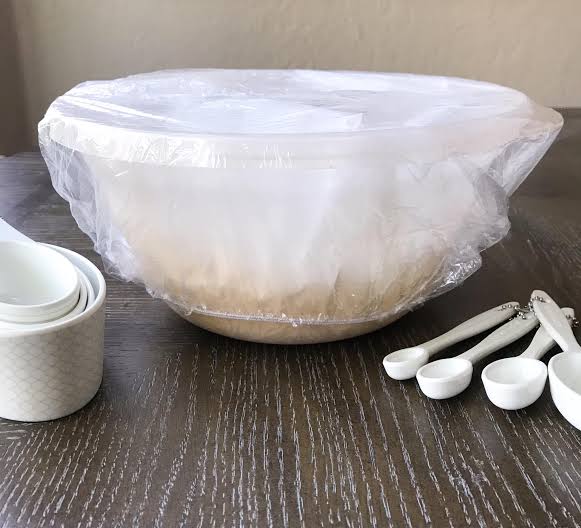
Once the autolyse is completed, you can mix in the starter and salt and begin stretch and folds. (Refer to my Stretch and Folds guide to learn the technique.)
What is fermentolyse?
Fermentolyse is similar to autolyse, but your sourdough starter is included in the initial mix. Instead of waiting until after the rest to add your starter, you dissolve the starter in the water and mix with the flour.
It is important to note that because the starter is already in the dough, bulk fermentation technically begins right away. At the same time, the flour is hydrating and the gluten is beginning to develop. (Refer to my Bulk Fermentation guide to understand the effects of adding starter to a recipe.)
Which is better?
Neither method is universally “better” than the other. However, I prefer fermentolyse because it allows you to begin bulk fermentation sooner, shortening the overall time required prior to baking. It also makes incorporating the starter easier, since it can dissolve evenly in the water before the dough develops a strong gluten network during autolyse. This is especially helpful when working with a stiff starter. (Refer to my Sourdough Starter guide to understand the different types of starter.)